
Research. Insights. Real talk on genomics.
Science-first content from the researchers building the tools.

Long-Read vs. Short-Read Sequencing: Which Should You Use?
Long-read and short-read sequencing are not competing technologies for the same job. Here is how to choose the right method for your research question.

What Is Long-Read Low-Pass Sequencing?
For years, researchers had to choose between sequencing quality and study scale. LRLP ends that compromise. Here is what it is and how it works.

How to Transition from SNP Arrays to Sequencing in Your Breeding Program
SNP arrays have served plant breeding well. But fixed marker sets can't detect structural variants, rare alleles, or complex polyploid regions. Here's what the transition to long-read sequencing actually looks like and why you don't need to rebuild your program to start.

Your Revio Is Ready. Is Your Lab?
HiFi library prep for a PacBio Revio takes a full day of bench time for 8 samples. At scale, it's weeks. Here's what in-house prep is actually costing your lab.

What Short-Read Sequencing is Costing Your Breeding Program, and What the Data Shows
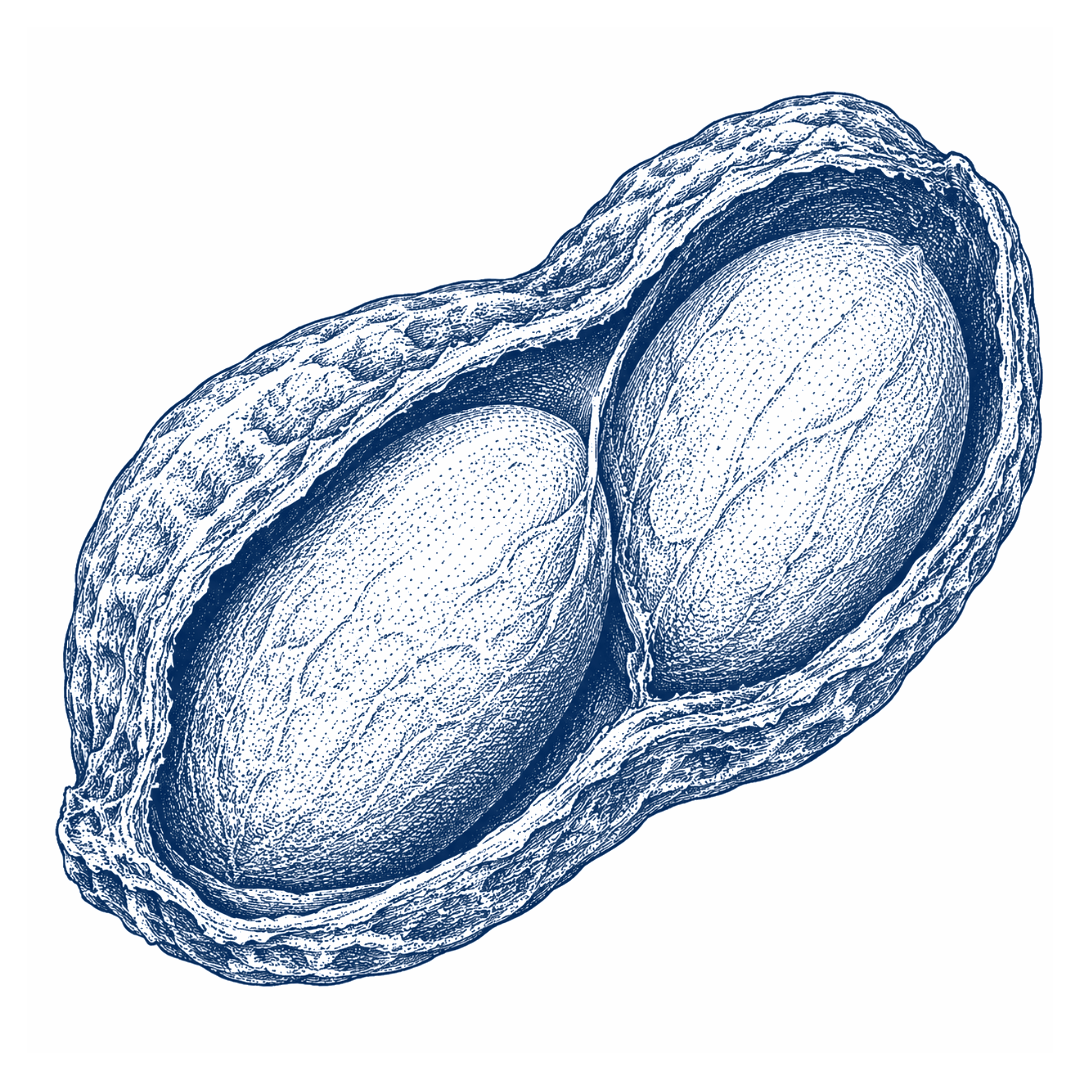
At matched sequencing depth, short-read low-pass sequencing covered 17% of the peanut genome. Long-read low-pass sequencing covered 55%. A head-to-head study of 127 breeding lines shows what plant breeders are missing with current methods — and what changes when you switch.
You Don't Have a Data Problem. You Have a Resolution Problem.
Over the past decade, plant breeding has undergone a data revolution. Sequencing costs have dropped, datasets have grown, and genomic tools are now embedded in modern breeding programs.
And yet—many of the most important traits remain frustratingly difficult to resolve.
Why?